
Richardson Garage Door Guide
When a Spring Goes in Cold Weather Here
Richardson's housing stock runs 1973-2013 with a 2001 median build year. Here's why a rare cold snap catches aging torsion springs off guard, and what to check first.
How Local Conditions Play In
Richardson sits in a moderate-heat climate band, not a hard-freeze zone. That matters more than most homeowners think. In places that get real winters, torsion springs get stress-tested by cold every year, so a weak one usually fails early and gets swapped out.
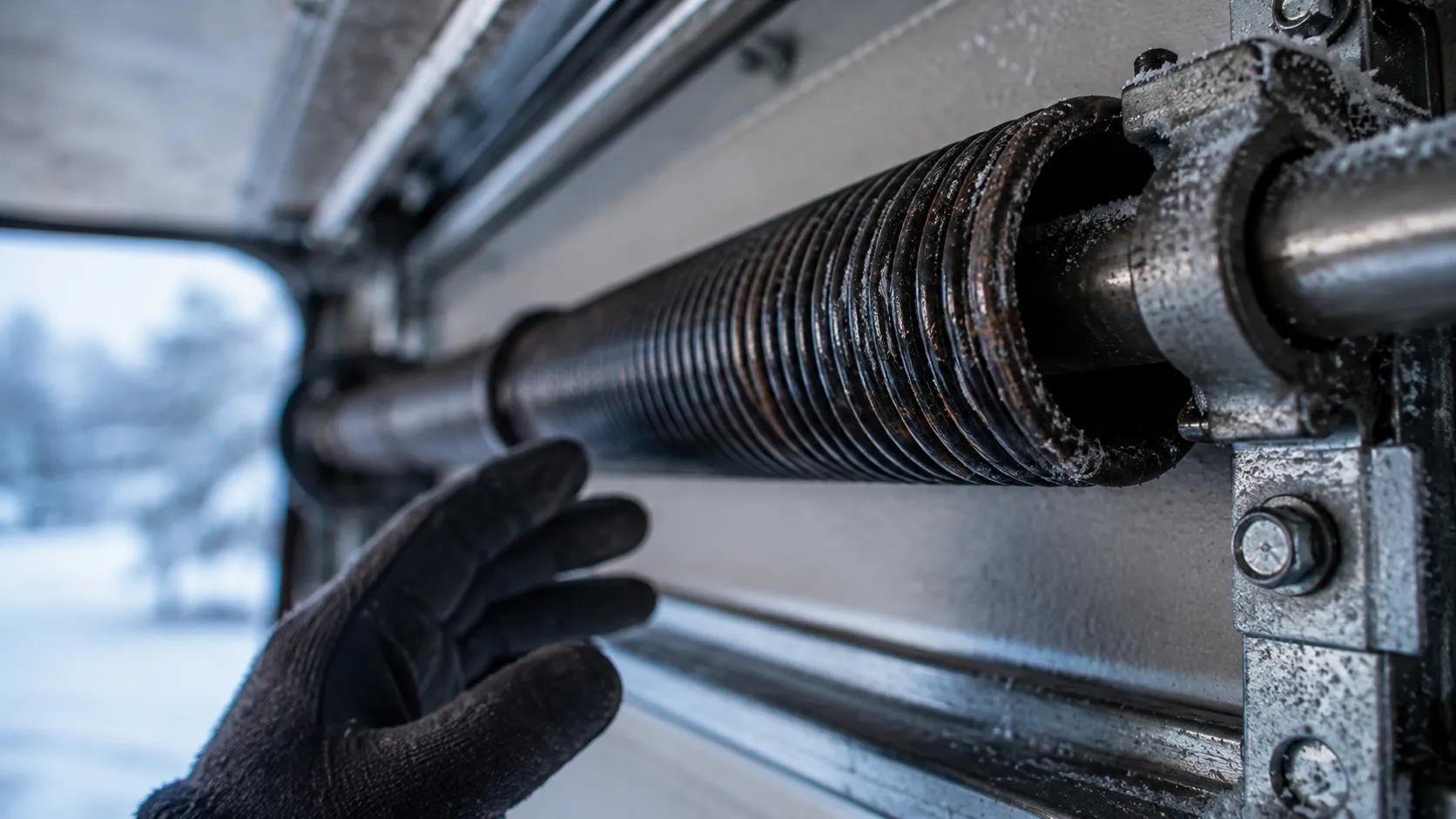
Here, that stress event is rare. A spring can sit for a decade doing fine work in 70-degree mornings, then a single cold snap drops the temperature enough to make the steel contract and stiffen right as the door's asked to do its normal cycles. The spring that would've shown wear gradually somewhere colder shows it all at once here.
The housing stock adds to this. Most of the area was built between 1973 and 2013, with the typical house going up around 2001, and it's mostly 2000s construction across the 16 named areas that make up this market.
That means a lot of original hardware is now old enough - 12 to roughly 50 years - to be past its rated cycle count, and a lot of owners have never had a reason to think about it because the door's never been tested by real cold before. When it finally is, the spring that's been quietly fatiguing for two decades is the one that goes.
What Most People Get Wrong
The common assumption is that cold weather doesn't do much to a garage door beyond making the opener sound a little rougher. People treat a snapped spring on a cold morning as bad luck, unrelated to anything they could've caught.
It isn't bad luck. Spring steel loses flexibility as it cools, and a spring that was already near the end of its cycle life needs less of a push to fail once it's stiff.
The second mistake is judging spring age by how the door looks. A door installed in 2001, when a lot of this area's houses were built, can look fine - clean panels, quiet track - while running on a spring that's done 20+ years of cycles without ever being flagged. Cosmetic condition and spring condition aren't the same thing, and a moderate climate means you don't get the yearly reminder that colder cities do.
Nobody around here checks a spring in July because nothing about July makes it act up. The gap between 'fine all year' and 'gone on the one cold day' is exactly where this fails.
The Problem
A torsion spring stores energy by twisting. Cold steel is less elastic, so under the same load it flexes less and carries more stress at the same point on the coil - usually where a hairline crack or a rust spot has already started. In a spring that's been in service since a house was built in, say, the early 2000s, that kind of fatigue is common by now even without cold making it worse.
When it lets go, it's sudden - a loud bang, the door won't lift, sometimes a cable comes loose with it. Because it's rare here for temperatures to drop hard enough to matter, most people haven't experienced this and assume something else broke: the opener, the track, a sensor. It's almost always the spring, and it's almost always one that was already near the end of its working life before the cold snap gave it the last push.
One honest limit here: we can't tell you over the phone whether your specific spring is close to failing. Age and cycle count matter more than looks, and the only real way to check is in person.
What to Check
Start with when your house was built. If it falls in that 1973-2013 range that covers most of this area, and especially if it's closer to the 2001 median, treat the spring as aging stock even if the door looks new. Look at the coil itself for rust, gaps between coils that aren't even, or a visible bend - any of these mean it's compromised before cold weather even factors in.
Next, don't test it by running the door during or right after a hard cold snap if you already suspect a problem. That's the exact moment a weak spring is most likely to go, and a door coming down uncontrolled is a real injury risk. If the door feels heavier than normal when you lift it manually with the opener disconnected, that's a sign the spring isn't carrying its share of the weight anymore.
With 45,046 owner-occupied houses in this area, most built in that same window, a lot of springs out there are due. If yours hasn't been replaced since the house was built, get it looked at before the next cold snap decides the timing for you.
How We Can Help
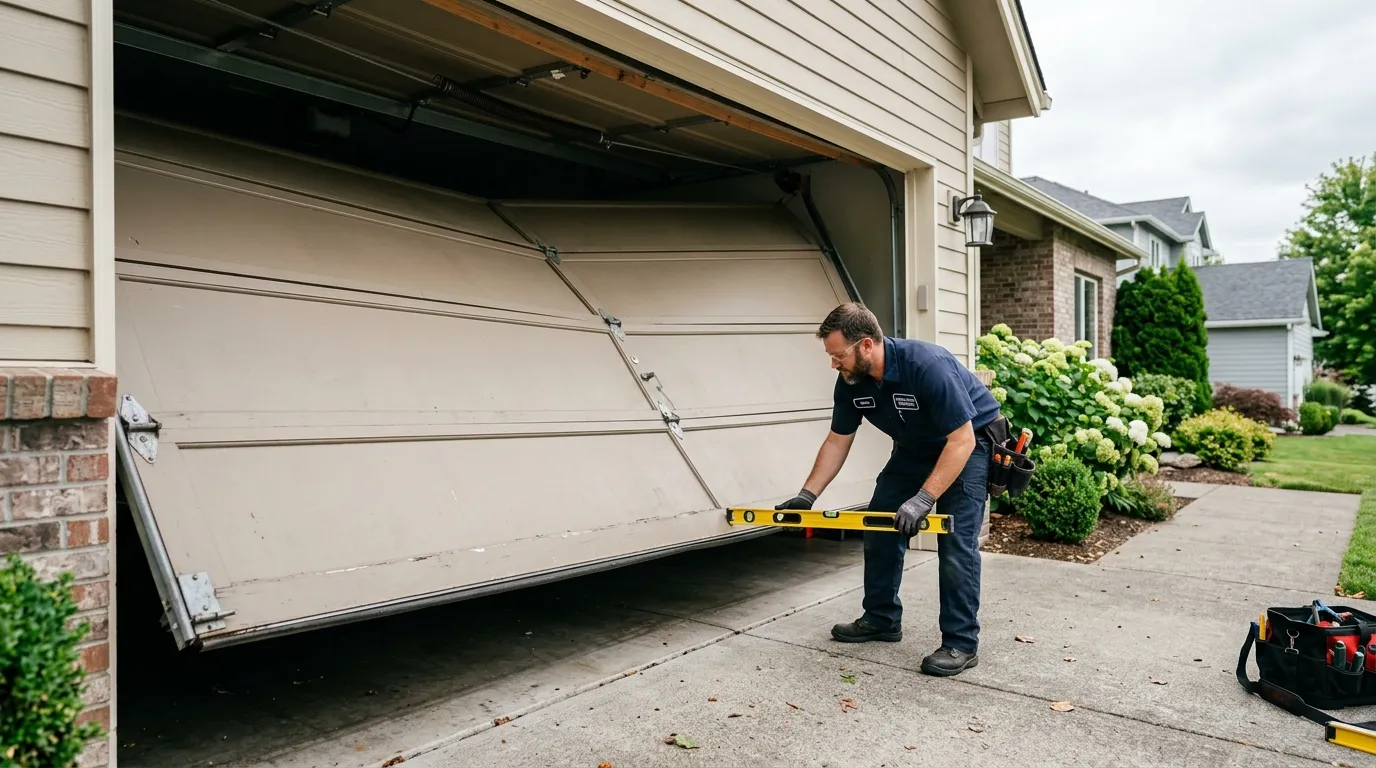
Garage Door Repair
Springs, cables, tracks, rollers, and openers fixed by a tech who explains the problem before touching anything.
Learn more →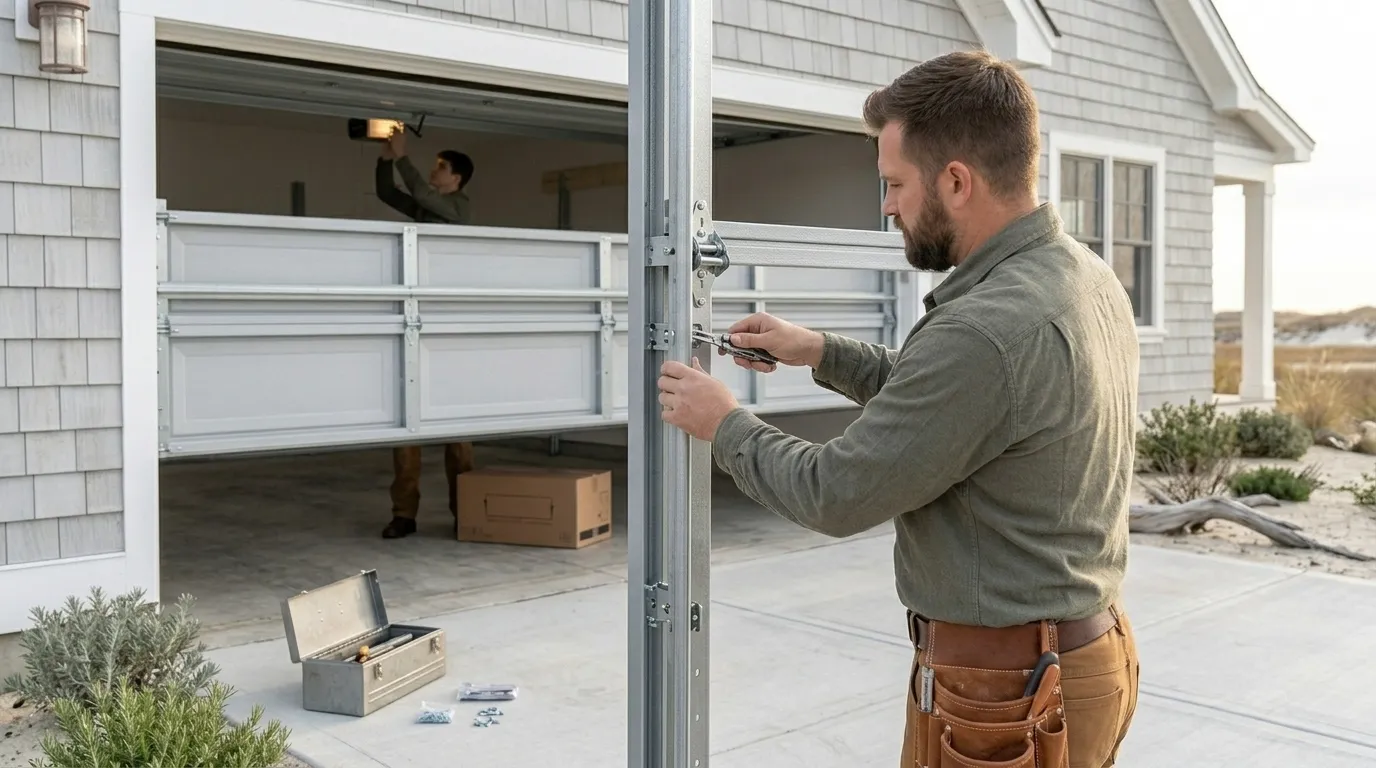
Garage Door Installation
New sectional doors sized and installed for the housing stock actually built in this area.
Learn more →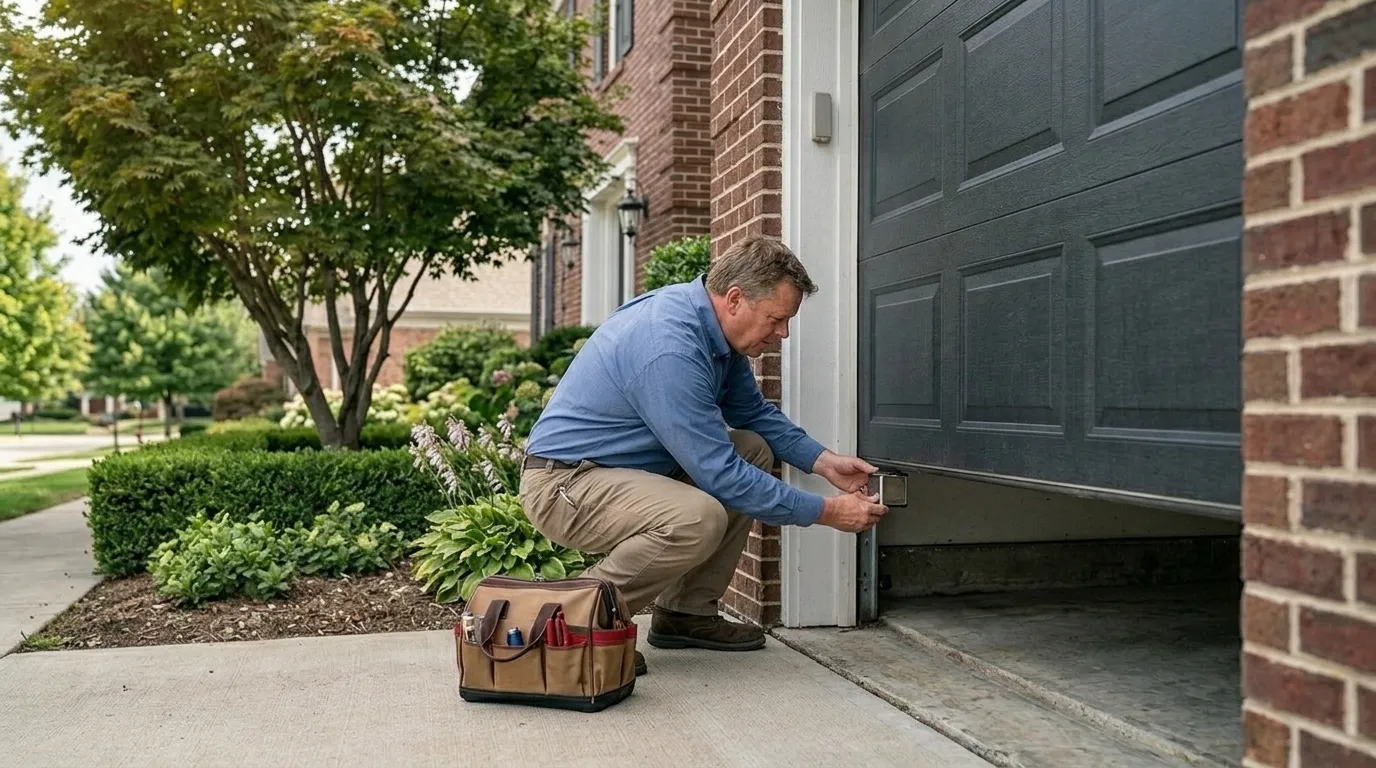
Garage Door Service
Tune-ups, lubrication, and safety checks that catch a small problem before it becomes a service call.
Learn more →Frequently Asked Questions
Why would a spring break specifically when it's cold here, if Richardson doesn't get harsh winters?
Because it's rare, not because it's harsh. In colder climates springs get tested by freezing temperatures every year, so weak ones fail early and get replaced. Here, a spring can go a decade without that stress test, aging quietly, then one cold snap is enough to push an already-fatigued spring over the edge.
My house was built in the early 2000s and the door still looks new. Should I still worry about the spring?
Yes. Cosmetic condition doesn't track spring condition. A spring installed when the house was built has likely done 20-plus years of cycles by now, which is old regardless of how the panels or track look. Age and cycle count matter more than appearance.
Can you tell me over the phone if my spring is about to fail?
No, and we won't pretend to. Rust, uneven coil gaps, and how heavy the door feels when lifted manually are signs worth checking, but a real assessment of whether a spring is near failure needs to happen in person.
Have a Door That Needs a Second Opinion?
Call and describe what it is doing - we will tell you what it likely is.