
Richardson Garage Door Guide
What a Service Call Actually Covers
A breakdown of what a garage door service call covers on Richardson's 1970s-2010s housing stock, from spring and track checks to opener diagnostics in our heat climate.
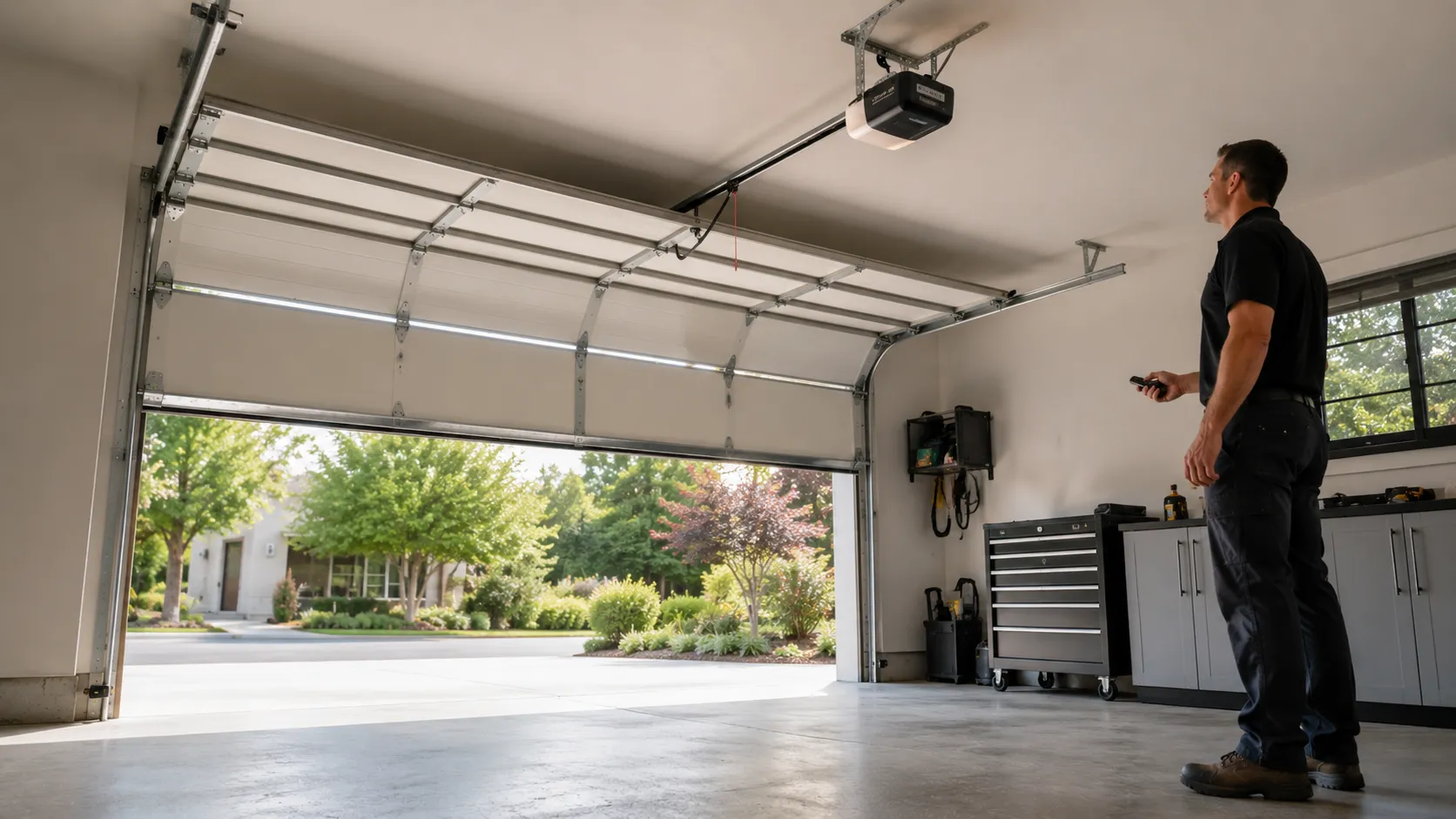
How Local Conditions Play In
Richardson's housing mostly went up between 1973 and 2013, with the median build year sitting around 2001. That matters for a service call because it tells the tech what kind of door and hardware to expect before the truck even pulls up.
A house from the 1970s or early 80s usually has a torsion spring setup that's been through at least one full spring replacement cycle already, sometimes two. A house from the 2000s - which describes most of what's out there across the area - is more likely to have its original opener and factory hardware still in place, just worn from twenty-some years of daily use.
The climate band here is moderate heat, not the extreme swings you get further west or in the desert Southwest. That's actually good news for a service call: we're not chasing the kind of thermal expansion and contraction that cracks panels or warps track in a single season.
What we do see is slow wear - lubricant drying out, nylon rollers going brittle, spring coating breaking down - from sustained heat exposure over years rather than sudden extreme events. A service call in Richardson checks for that gradual fatigue, not storm damage.
What Most People Get Wrong
The most common assumption is that a noisy door means a dying opener. Most of the time it means the rollers or hinges are past their working life, which on a house built in the 2000s - the bulk of the stock in this area - lines up with original hardware finally giving out after two decades. Swapping the opener before checking the rollers is a common way to spend money and still have the same noise.
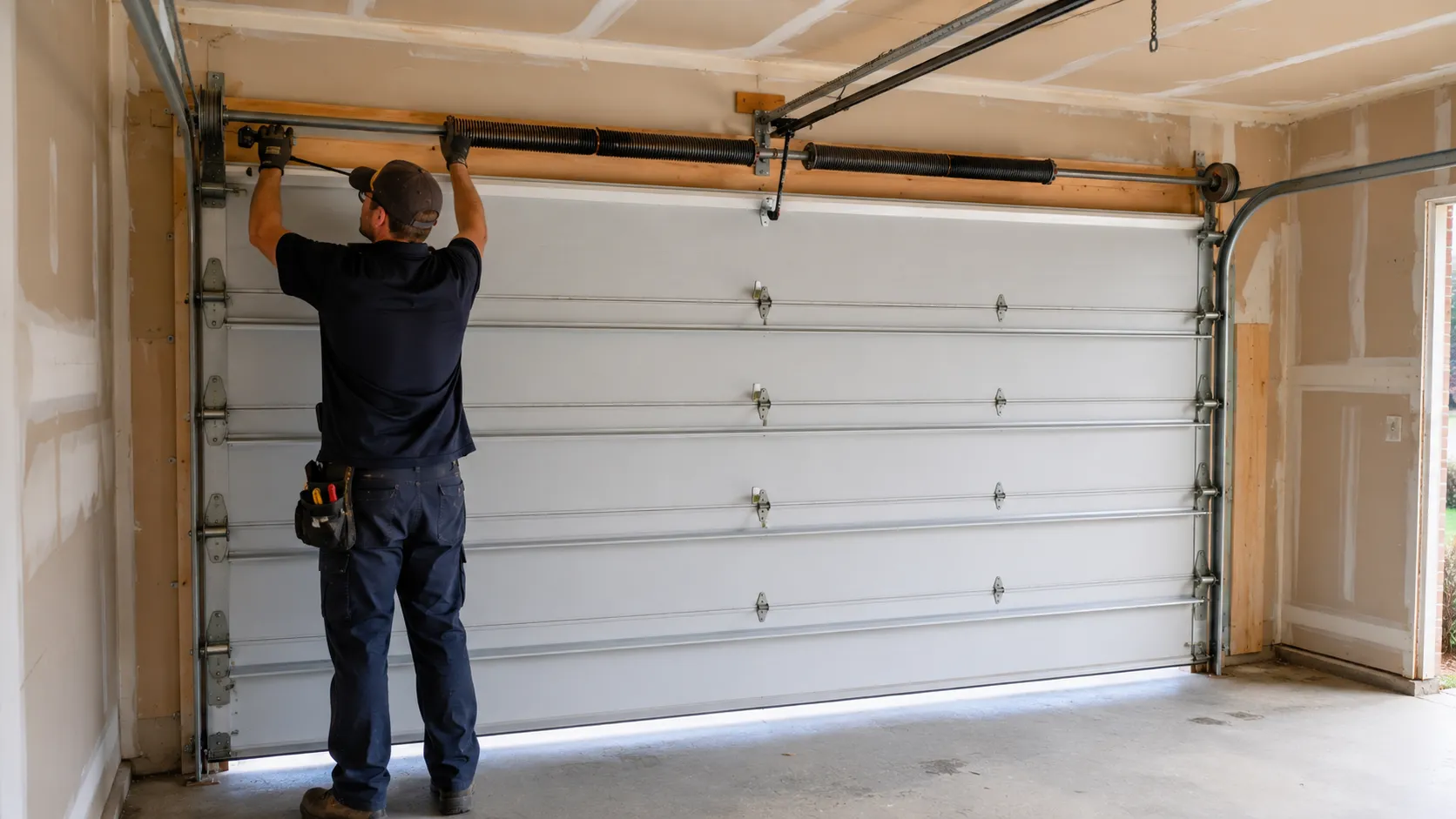
The second thing people get wrong is assuming their spring problem is new. On a torsion spring, the failure point is a cycle count, not a calendar date, and a house built in the early 2000s has had roughly twenty years of daily openings to wear that spring down.
It doesn't announce itself with a slow decline - it usually just breaks. A tech worth having will ask when the door was last serviced, not just how old the house is.
The Problem
Most service calls in this area land on one of two problems: a spring at or near end of life, or an opener that's been compensating for bad hardware for months before anyone noticed. Given that most of the housing here dates to 2001 give or take, and given the moderate heat load the area sits in, the wear pattern is consistent - it's slow, it's mechanical, and it's rarely a one-part fix once you actually look at the whole system.
Homeowners often call about the opener because that's the part that makes noise or stops responding. But the opener is frequently the last part in a chain of wear that starts at the spring, moves through the rollers and cables, and only shows up at the opener because that's what's straining hardest to compensate. A real diagnosis walks the whole track and drum, not just the motor unit.
What to Check
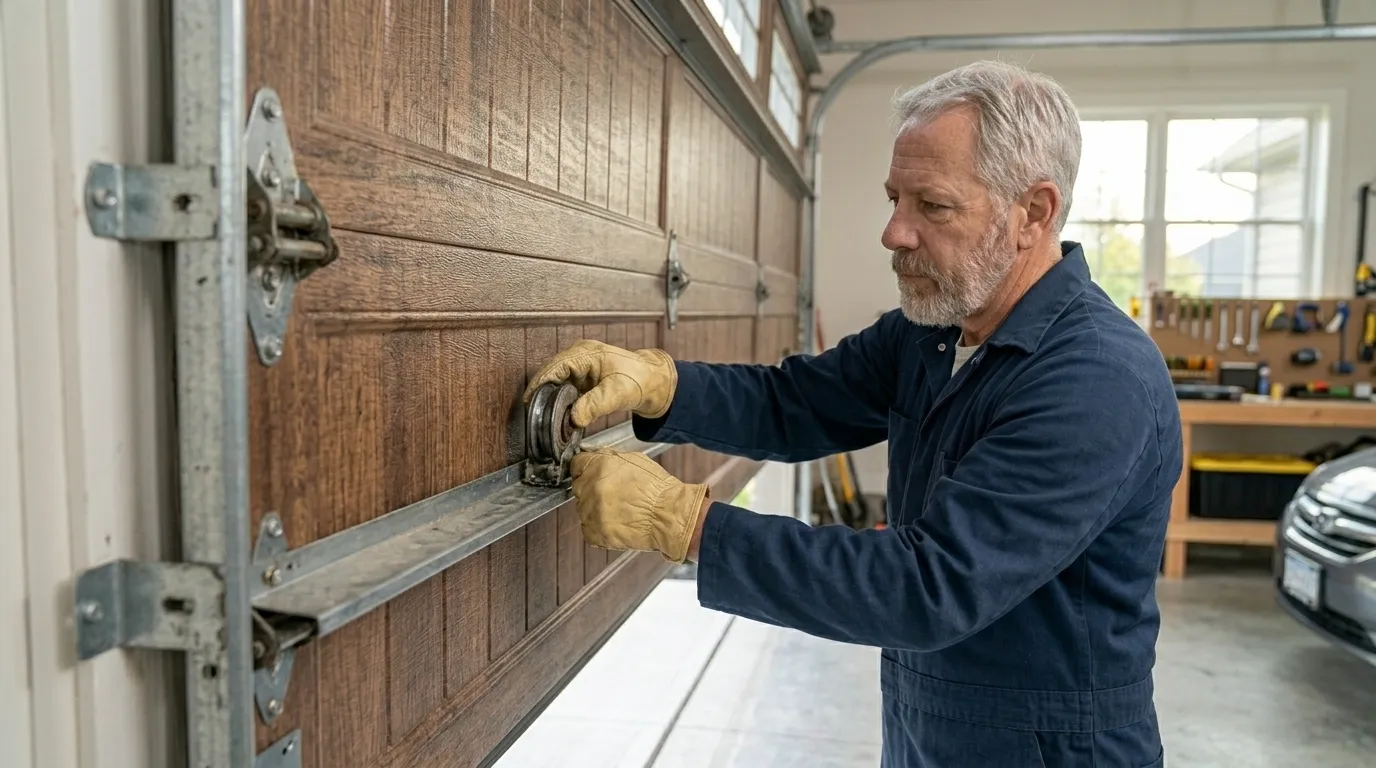
On a first visit, we look at the spring - torsion or extension, wear on the coil, whether it's original to a house from the 2000s build era or already replaced once. We check the rollers and track for the brittle, cracked look that shows up after years of heat cycling even without extreme weather.
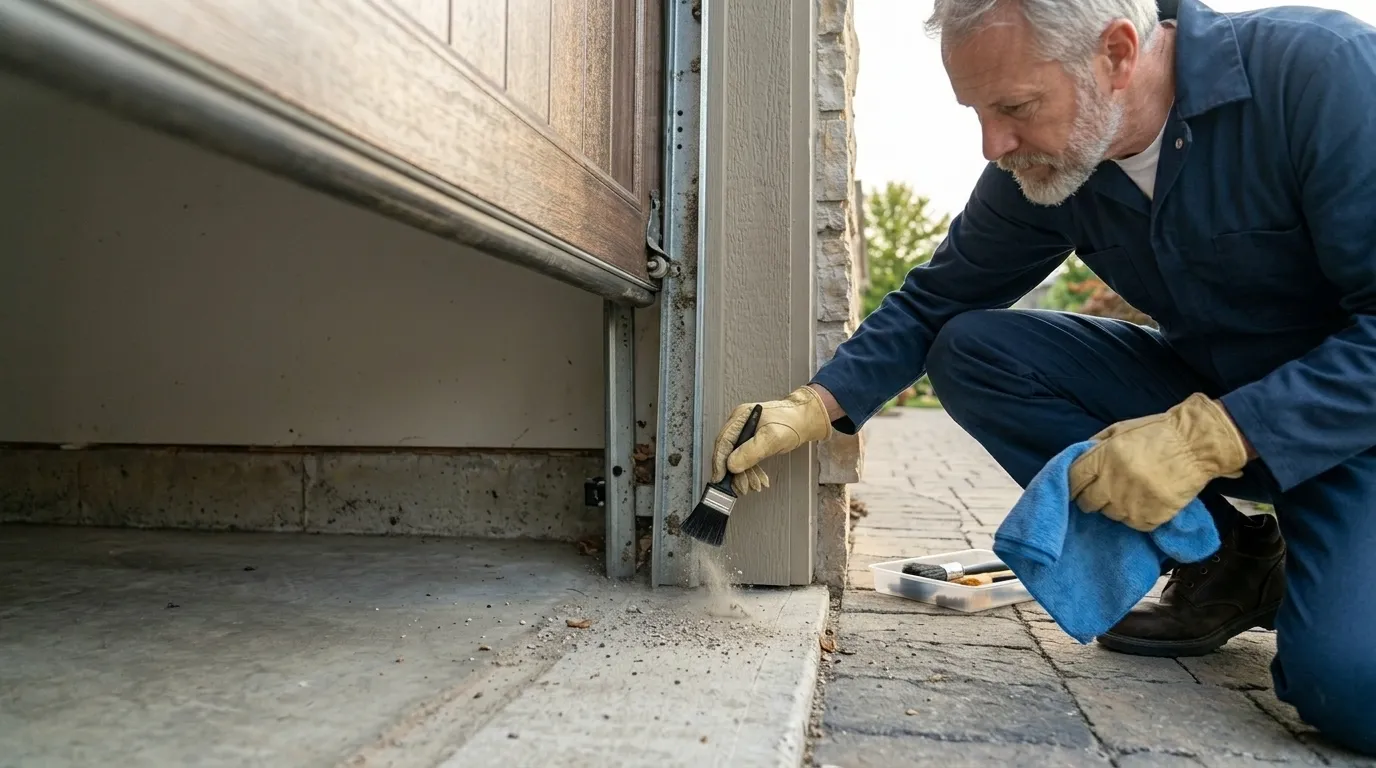
We check cable fraying at the bottom bracket, since that's a slow failure that rarely gets noticed until it snaps. We test balance by hand with the opener disconnected, because an opener straining to lift an unbalanced door will burn out early no matter how new it is.
We don't replace parts that test fine just because they're old. If a spring still tests within safe range, we'll say so and put the money toward what actually needs it. One honest limit: if a door's frame or track has warped from a structural issue rather than wear, that's a carpentry problem first, and we'll tell you that instead of forcing a hardware fix that won't hold.
How We Can Help
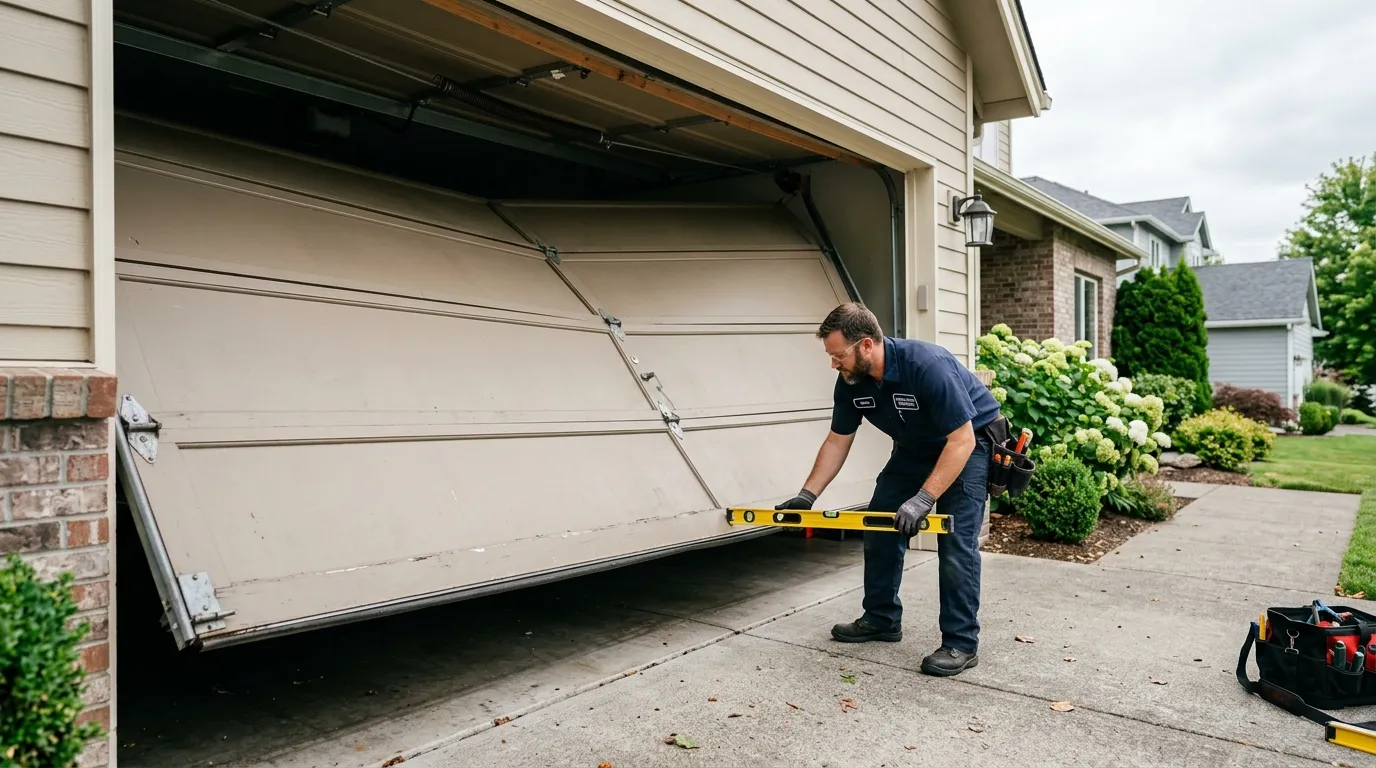
Garage Door Repair
Springs, cables, tracks, rollers, and openers fixed by a tech who explains the problem before touching anything.
Learn more →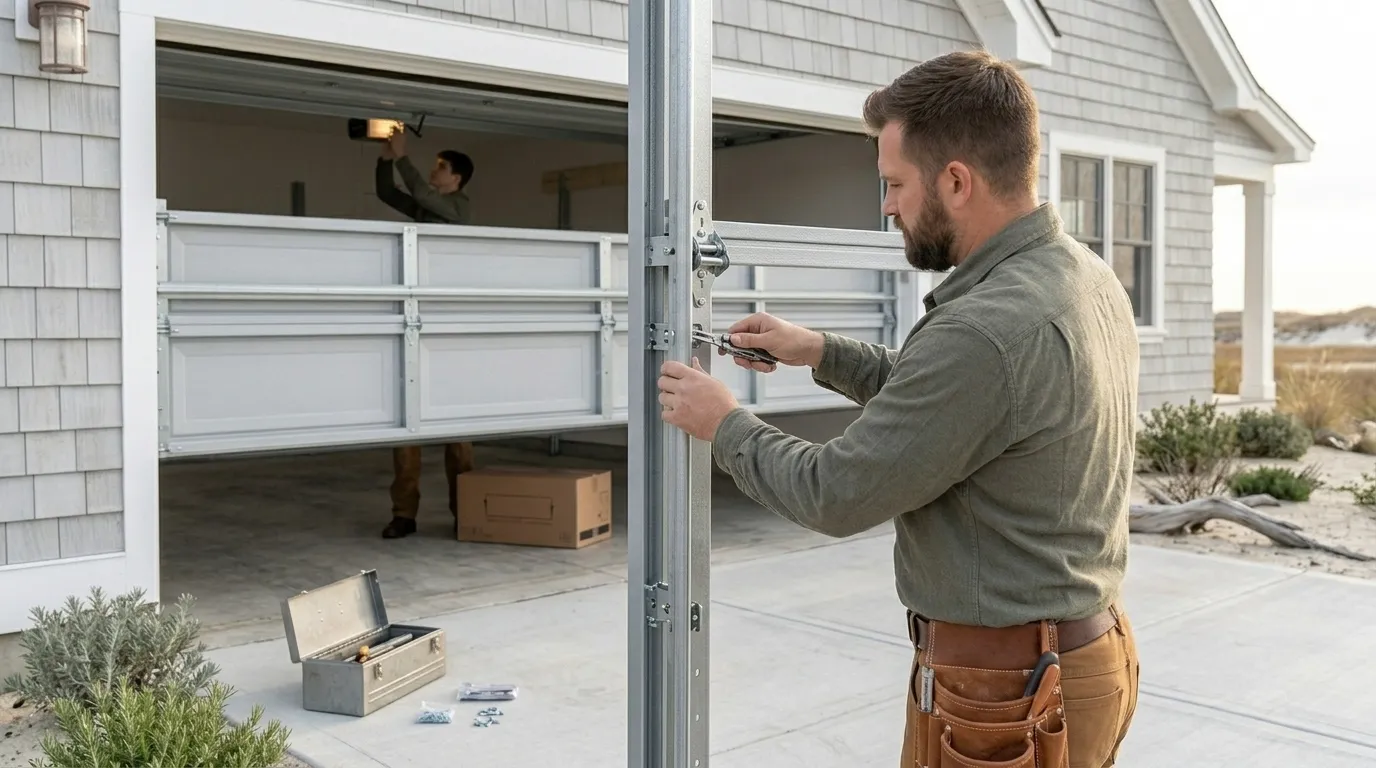
Garage Door Installation
New sectional doors sized and installed for the housing stock actually built in this area.
Learn more →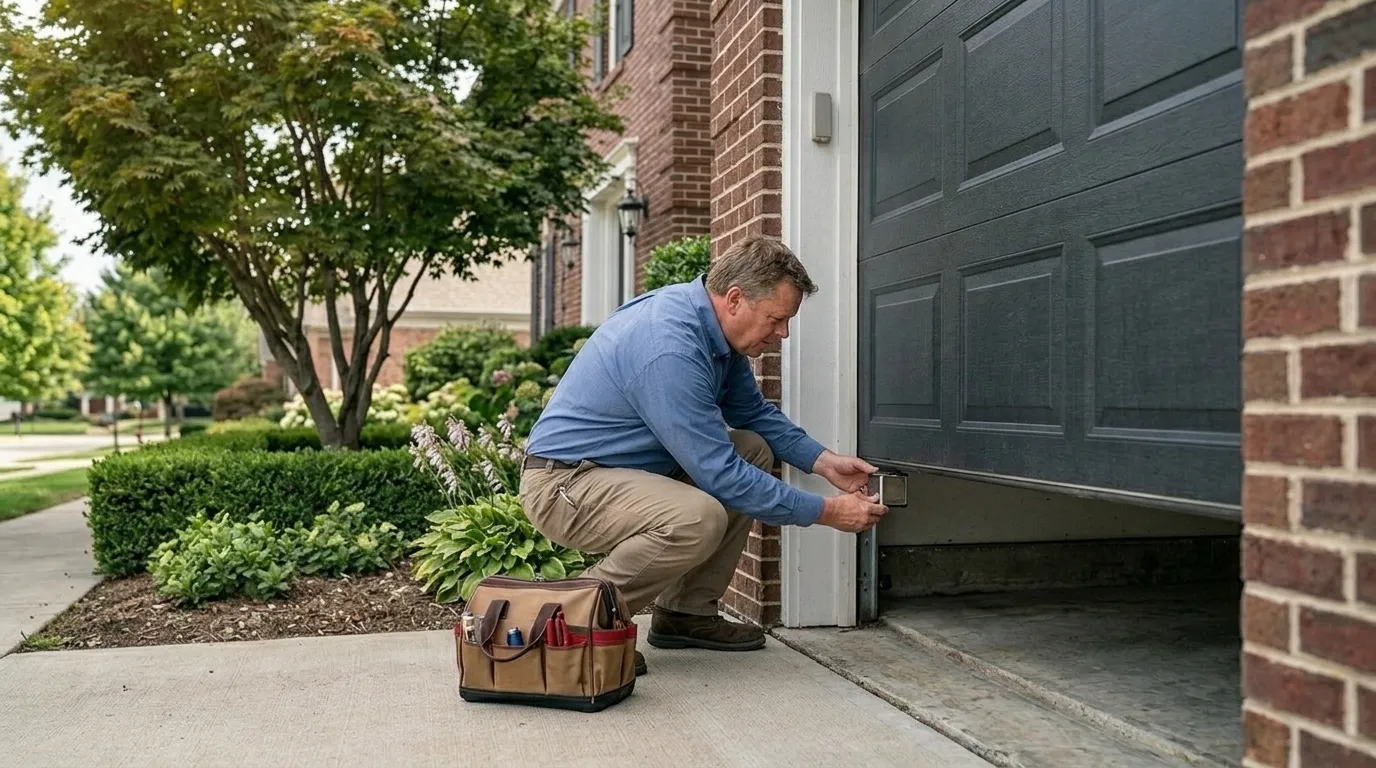
Garage Door Service
Tune-ups, lubrication, and safety checks that catch a small problem before it becomes a service call.
Learn more →Frequently Asked Questions
How often does a garage door need a service call in Richardson?
There's no fixed schedule, but given that most homes here were built between the 1970s and 2010s with a median around 2001, hardware that hasn't been checked in five or more years is worth a look, especially springs and rollers, which wear on a cycle count rather than a calendar.
Does Richardson's climate cause extra wear on garage doors?
The area sits in a moderate heat band, not an extreme one, so we don't see the panel warping or sudden hardware failure that comes with severe thermal swings. What we do see is gradual wear - dried lubricant, brittle rollers - from sustained heat over years of use.
Is it normal for a door built in the early 2000s to still have its original hardware?
Yes, and it's common in this area given the median build year of 2001. Original torsion springs and rollers from that era are usually near or past their working life by now, which is often the real cause behind noise or opener strain that gets blamed on the motor unit.
Have a Door That Needs a Second Opinion?
Call and describe what it is doing - we will tell you what it likely is.