
Richardson Garage Door Guide
What That Sound From Your Garage Door Is Actually Telling You
Richardson homes mostly went up between 1973 and 2013, median 2001 - that age range points to specific noise causes. Here's what a rattle or grind actually tells you.
How Local Conditions Play In
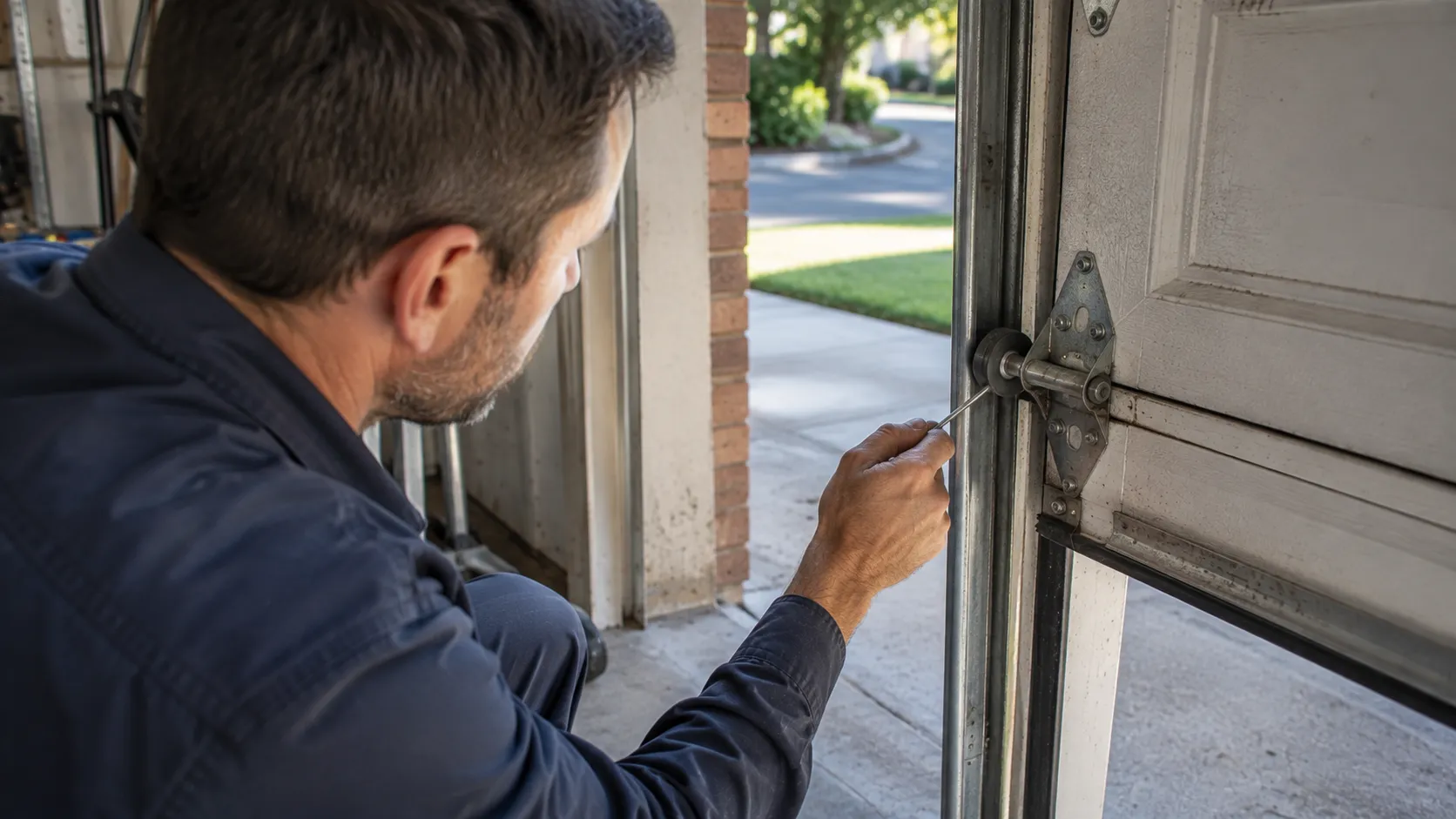
Richardson's housing stock runs 1973 to 2013, with the median build year sitting at 2001 and most of the 16 named areas dominated by 2000s construction. That matters for noise diagnosis because it narrows what's likely inside the door. A house built in 2001 almost certainly has a factory torsion spring system and steel rollers rather than the older extension-spring, side-mounted setups you'd find in a pre-1970s neighborhood.
The moderate heat band this area sits in means components expand and contract through summer swings, but you're not dealing with the deep-freeze contraction that cracks old lubricant in colder climates. What you are dealing with is grease that's dried out from repeated 100-plus-degree days baking the track and hinges. On a 2001-era door, a squeal usually means the factory lubricant on the rollers has gone dry from heat cycling, not that the hardware itself has failed.
On a newer 2013-range build, the same squeal is more likely a roller bearing that was never lubricated at install. The build era tells you where to look first before you start replacing parts.
What Most People Get Wrong
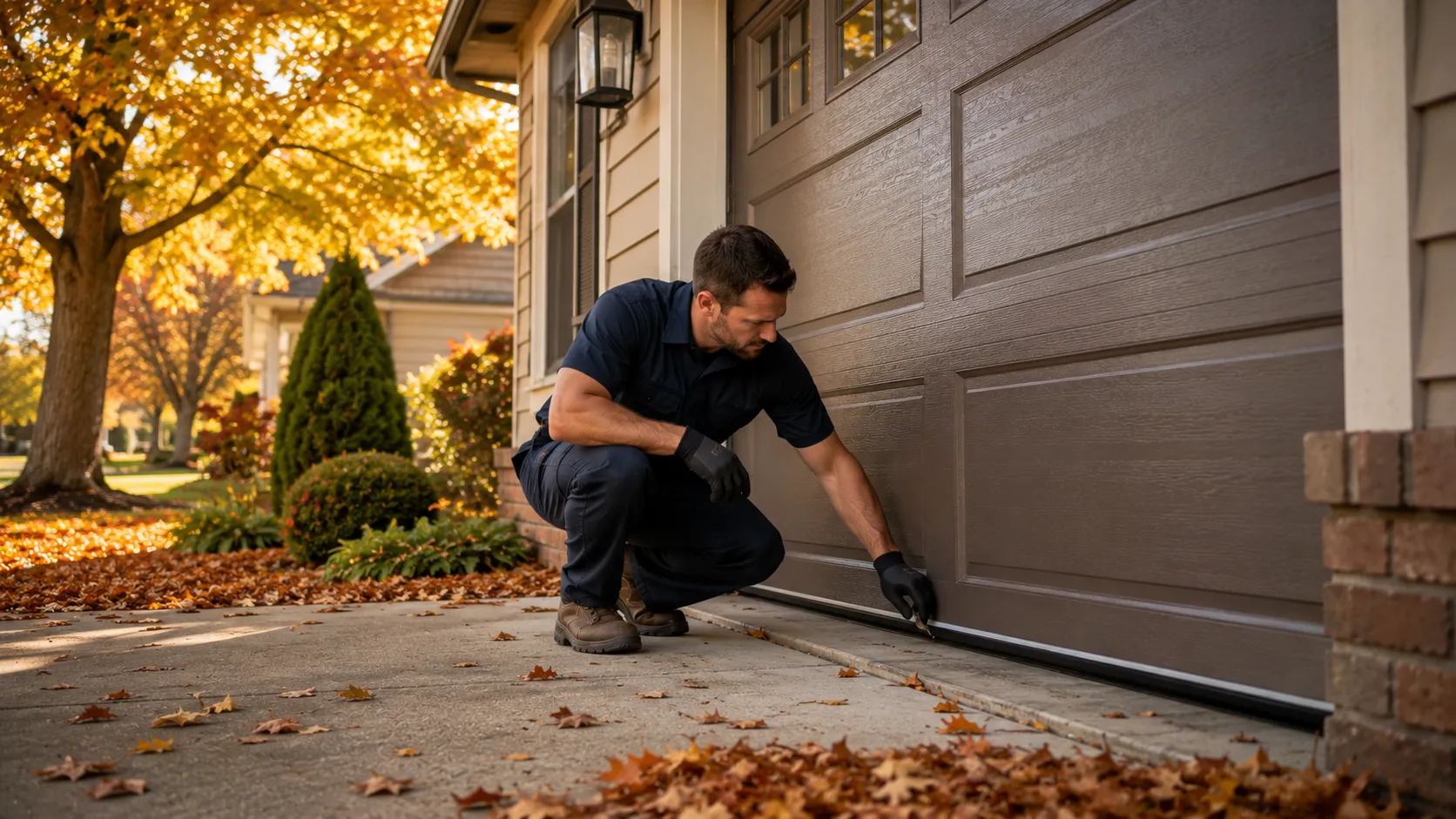
The most common mistake here is treating every noise the same way regardless of how old the door actually is. Someone with a 2005-built house hears a grinding sound and assumes it's the opener motor, when on a door of that vintage it's almost always the nylon idler pulley or the drive gear inside the opener housing wearing down after years of heat exposure. People also spray general household oil on tracks and springs, which does nothing for the kind of grit that builds up from Richardson's heat cycles - the lubricant needs to be a silicone or lithium-based product made for garage hardware, not WD-40, which actually attracts dust in dry heat.
Another mistake: assuming a loud bang means the spring has already broken. On the 2000s-era torsion systems common across this service area, a single loud bang is often a cable popping off a drum, not a full spring failure, and those are two very different repairs with very different urgency.
The Problem
A door built between 1973 and 2013 has had anywhere from ten to fifty years of moving parts working against Richardson's heat. Steel expands under repeated high temperatures, and over enough summers that expansion loosens hinge bolts, stretches torsion spring coils slightly, and dries out the factory grease inside roller bearings. None of that shows up as a sudden failure - it shows up as noise first.
A rhythmic thump every few feet as the door moves usually means a roller has flat-spotted from age and heat. A metallic scrape near the top of the track often means the door has shifted out of alignment, which on a house from this era is frequently due to a bracket that's worked loose rather than a bent track. The honest limitation: noise alone doesn't tell you whether a part needs lubrication, tightening, or full replacement, and guessing wrong on a torsion spring system can be dangerous.
That's a judgment call that needs eyes on the actual hardware.
What to Check
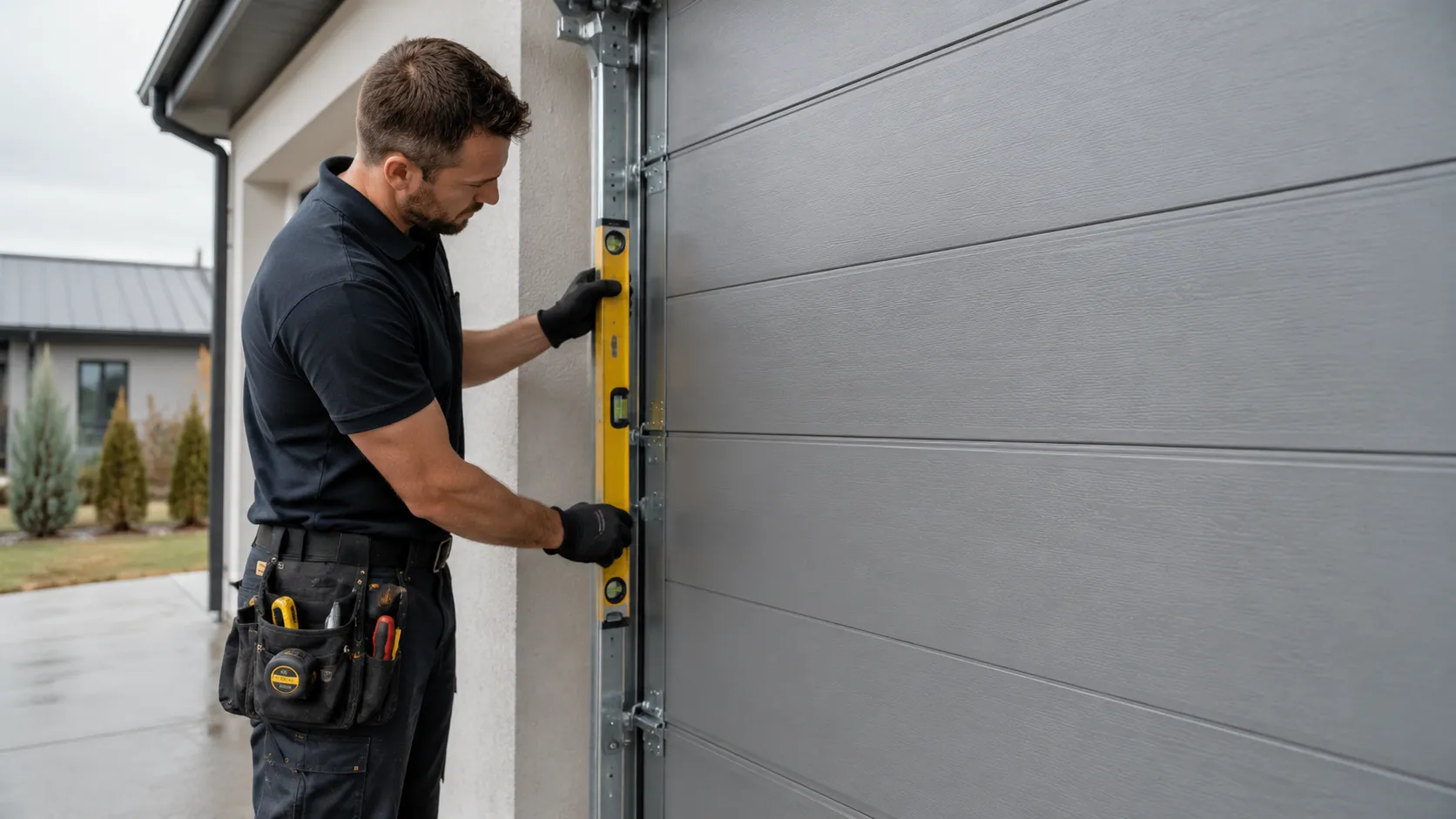
Start with the rollers - pull the door halfway down and look for flat spots or visible rust, common on doors that have logged fifteen-plus years in this heat band. Check hinge bolts with a wrench; heat-cycle loosening is real and tightening them stops a surprising amount of rattle. Look at the torsion spring itself for gaps between coils, which shouldn't be there on a properly wound spring.
If your house falls into the newer end of the 1973-2013 range, check the opener's drive gear for plastic shavings underneath it - that's the giveaway for a worn gear before it fails outright. What you shouldn't do is keep running the opener once you hear grinding from the gear housing; that turns a small parts swap into a full opener replacement. If tightening hardware and relubricating doesn't quiet things down within a day or two, the noise is coming from something that needs hands-on diagnosis, not another can of spray lubricant.
How We Can Help
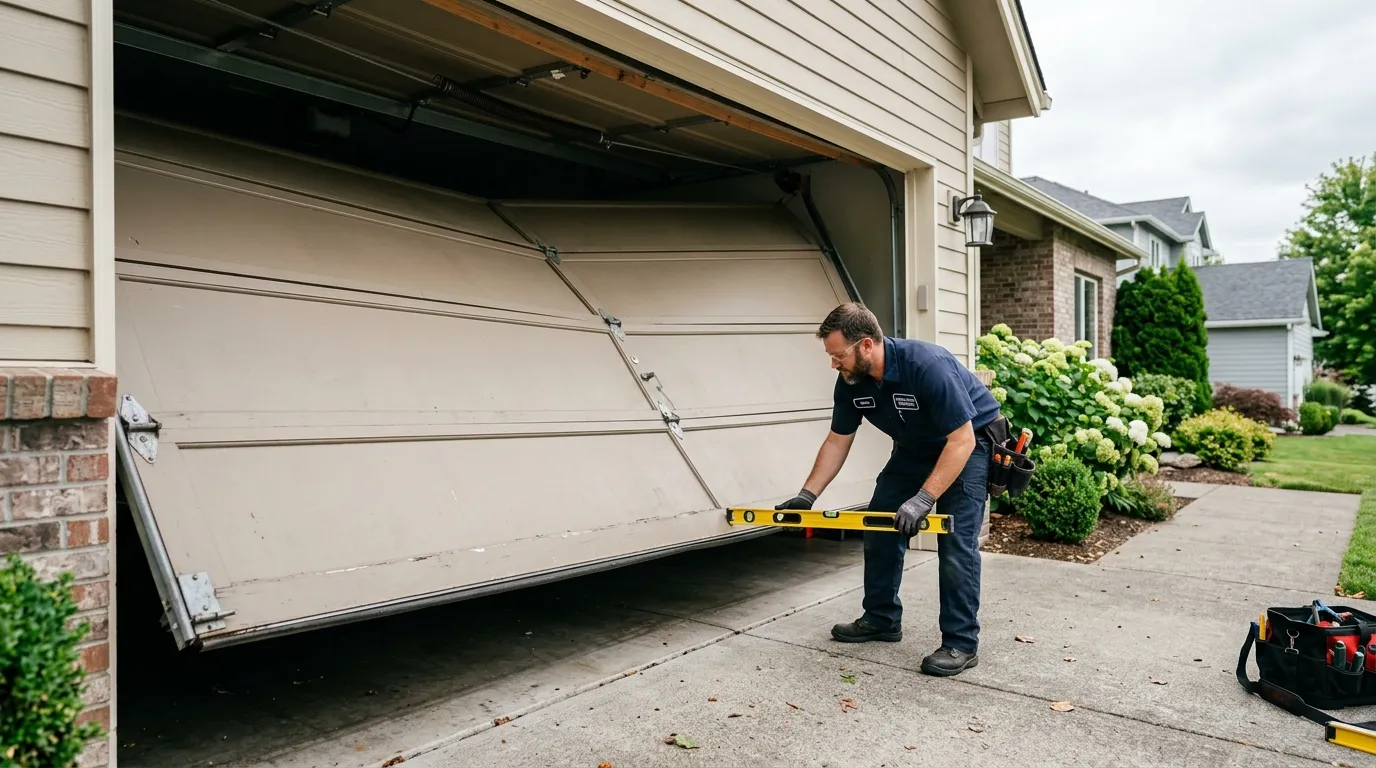
Garage Door Repair
Springs, cables, tracks, rollers, and openers fixed by a tech who explains the problem before touching anything.
Learn more →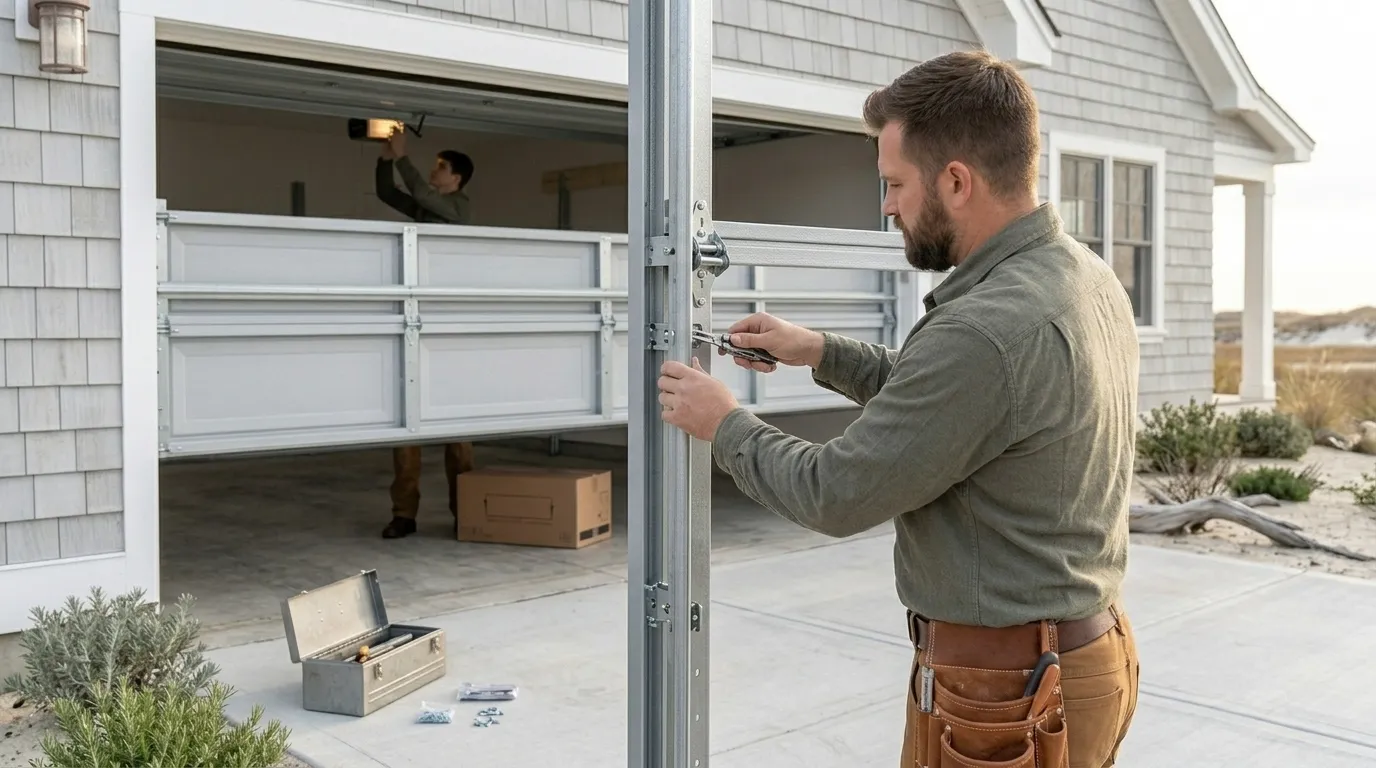
Garage Door Installation
New sectional doors sized and installed for the housing stock actually built in this area.
Learn more →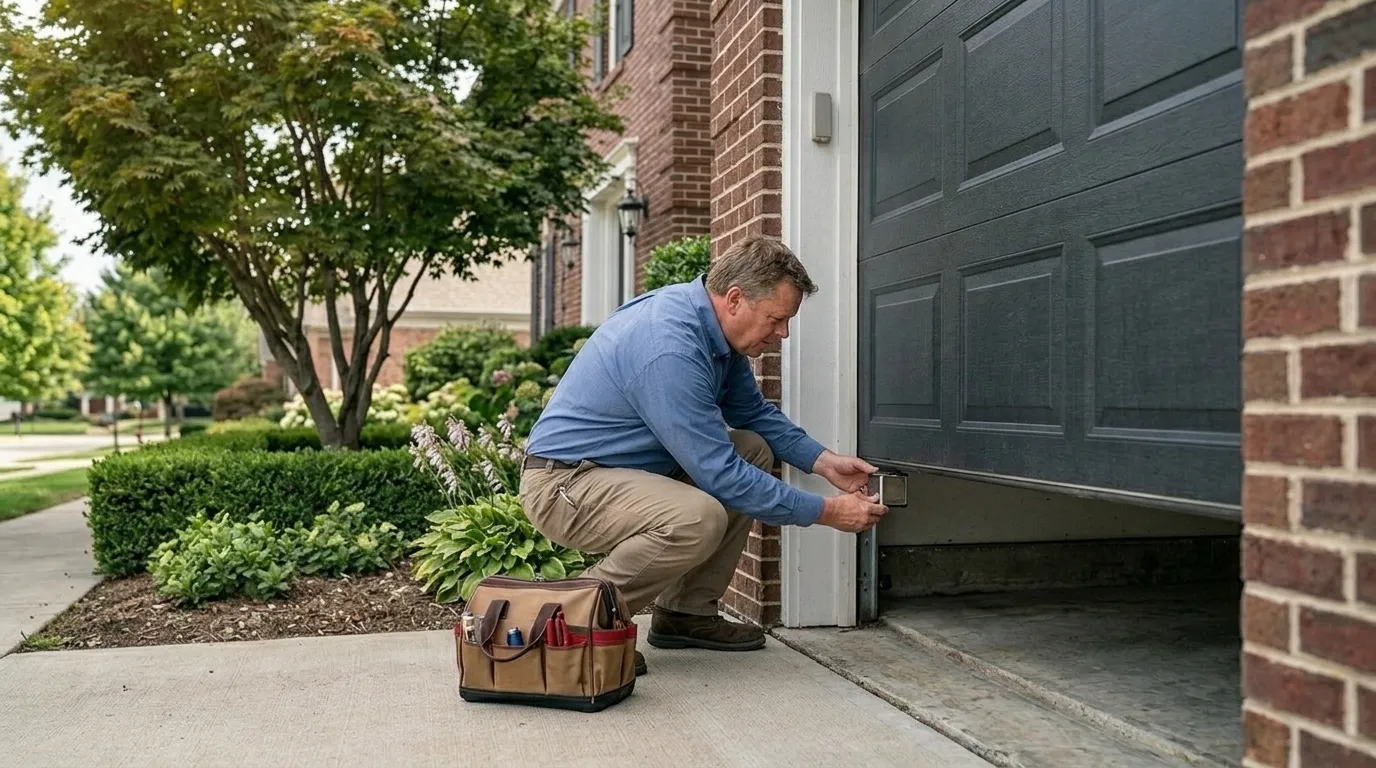
Garage Door Service
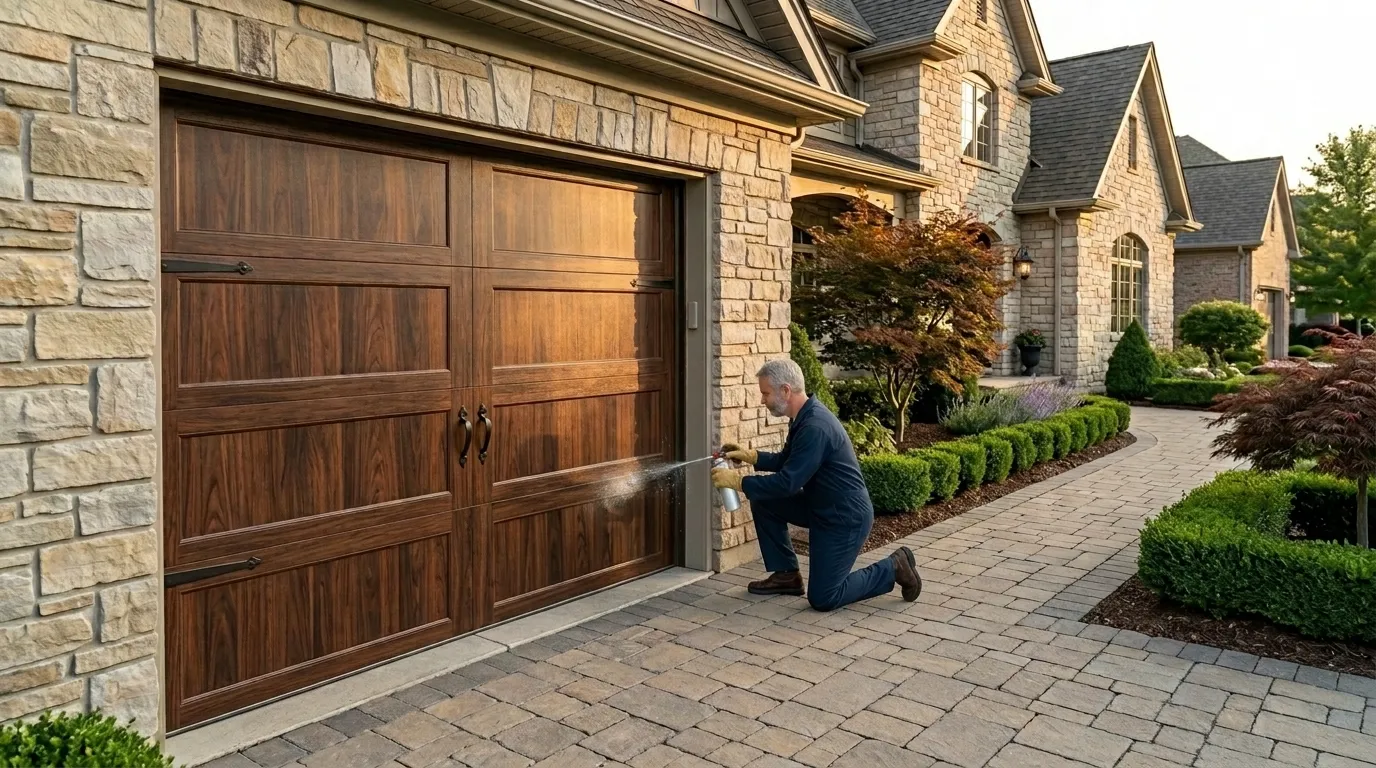
Tune-ups, lubrication, and safety checks that catch a small problem before it becomes a service call.
Learn more →Frequently Asked Questions
My garage door squeals every time it opens - is that serious?
On a door built in Richardson's typical 1973-2013 range, a squeal is most often dried-out lubricant on rollers or hinges from heat-cycle exposure, not a structural problem. Lubricate with a silicone-based product and see if it clears up within a day or two. If the squeal comes with grinding or the door hesitates, that points to something mechanical and worth a closer look.
I heard a loud bang and now the door won't move - what happened?
On the torsion spring systems common in homes built here since the 1970s, a loud bang usually means the spring itself has broken, or a cable has popped off its drum. Either way, don't force the opener or try to lift the door manually - the spring is under heavy tension and this isn't a DIY fix.
Does Richardson's summer heat actually affect garage door parts?
Yes. The moderate heat band this area sits in means repeated high temperatures dry out factory lubricant on rollers and hinges faster than you'd see in a cooler climate. It's usually the first thing worth checking when a door starts making noise it didn't make a year ago.
Have a Door That Needs a Second Opinion?
Call and describe what it is doing - we will tell you what it likely is.