
Richardson Garage Door Guide
What Your House's Age Tells You About Your Garage Door
Richardson homes mostly date from 1973-2013. Here's how that build era and our heat band affect garage door insulation, springs, and openers.
How Local Conditions Play In
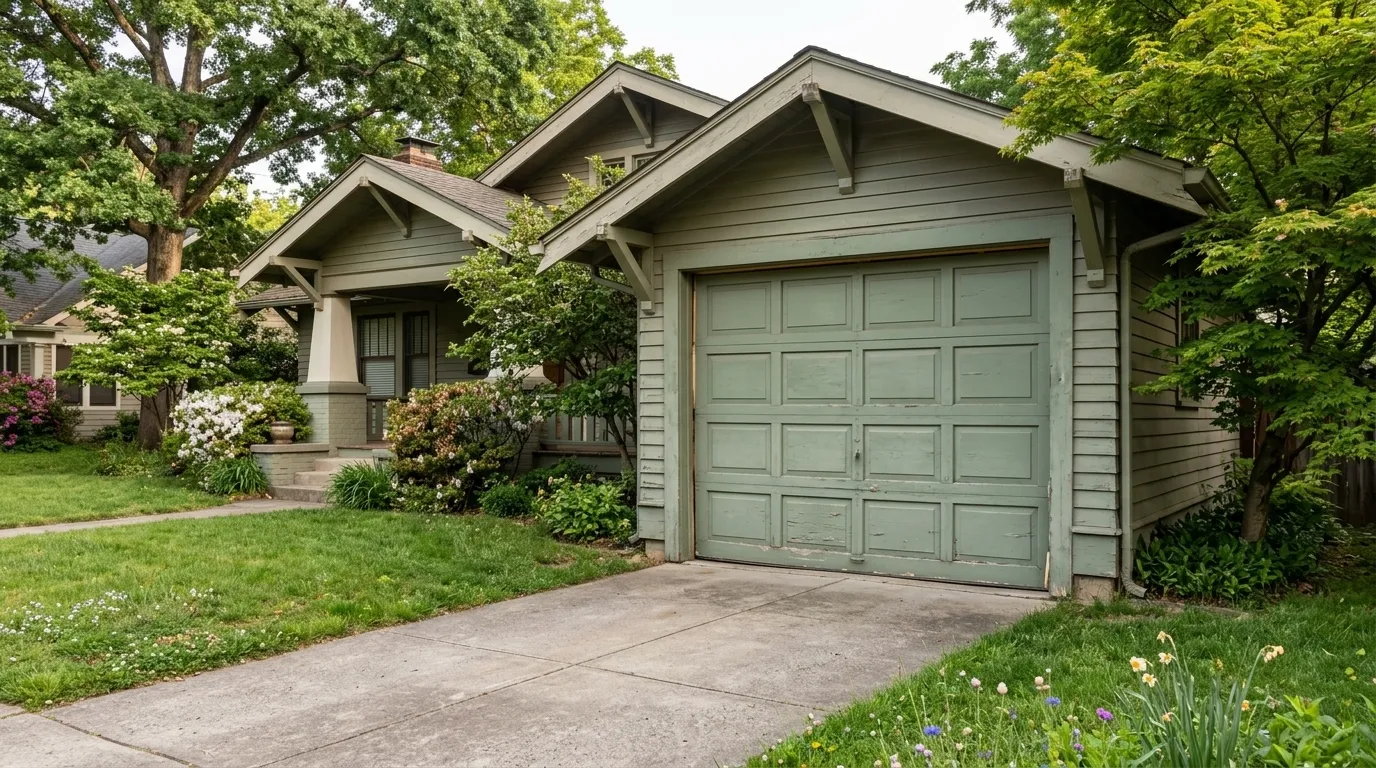
Richardson sits in a moderate-heat climate band, not the triple-digit extreme you get further west, but still enough sustained summer heat to matter for a garage door. A moderate-heat band means steel panels expand and contract every day for months at a stretch, not just during a heat wave. That cycle loosens hinge screws, dries out nylon rollers, and can throw off the balance point on a spring system that was set correctly in cooler weather.
It also matters for the opener itself - logic boards and photo-eye sensors mounted low near a hot slab don't fail dramatically, they just get flaky, which homeowners usually blame on the remote instead of the heat. None of this is storm damage. It's slow wear from a climate that never really lets a garage cool down for long.
If your door has started binding or reversing at certain times of day, temperature swing on the track is a more likely cause here than a broken part.
What Most People Get Wrong
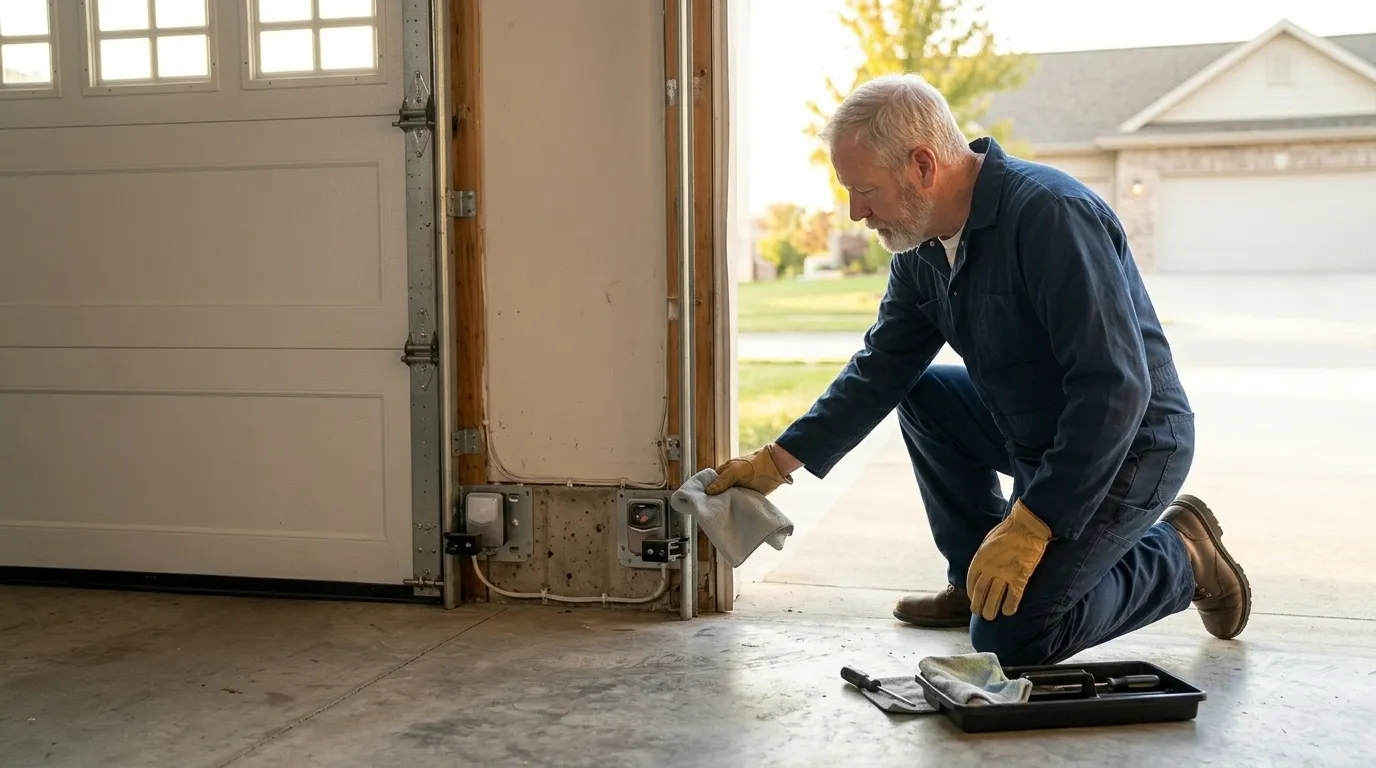
People assume every older-looking door in Richardson is decades past its prime, but the housing stock here mostly dates from 1973 to 2013, with the median landing around 2001 and most of the stock across the area's 16 named neighborhoods built in the 2000s. That means a lot of doors people call about aren't actually old - they're original to a house built in the last 20-plus years, and the wear is normal use, not decay. The other mistake runs the other way: assuming a 2000s-era house automatically has an insulated door because it's newer construction.
Builders in this price range and era often installed a standard non-insulated steel door as base spec, with insulation offered as an upgrade buyers didn't always take. So the actual split in Richardson isn't old versus new - it's what the builder specified at the time, which varies house to house even on the same street.

The Problem
The homes at the older end of Richardson's 1973-2013 build range - the 1970s and early-80s houses that predate most of that 2000s wave - are the ones most likely to still be running doors on houses built before insulation rules were common practice. A single-layer steel door with no foam core was standard equipment then, not an oversight. It still opens and closes fine, which is exactly why owners don't think about replacing it.
What actually shows up is indirect: a garage that runs noticeably hotter than the rest of the house in summer, an attached-garage wall that never quite matches the AC setpoint next to it, and a door skin that's visibly warped or oil-canned where the sun hits it longest. With median household income here at $131,139, insulated replacement is well within reach for most owners in this area, but most never connect the comfort complaint to the door itself.
What to Check
Start by finding your house's build era, since it tells you what you're actually working with. If it's from the 1970s or early 80s, open the garage and look at the door's edge - a single thin steel skin with no visible foam backing means no insulation. If it's from the 2000s wave, don't assume; check the same way, because builder-spec doors from that period went either way.
Next, check balance: with the opener disconnected, lift the door by hand to waist height and see if it holds. A door that drops or shoots up means the springs were set for a different weight or have drifted with temperature cycling, which is common across the roughly 45,046 owner-occupied houses in this service area. One limit worth naming: if the door is original to a 1970s house and the track and hardware are original too, we'll tell you replacement usually beats repair - parts for that era are getting harder to source, and patching an old system rarely holds for long.
How We Can Help
Garage Door Repair
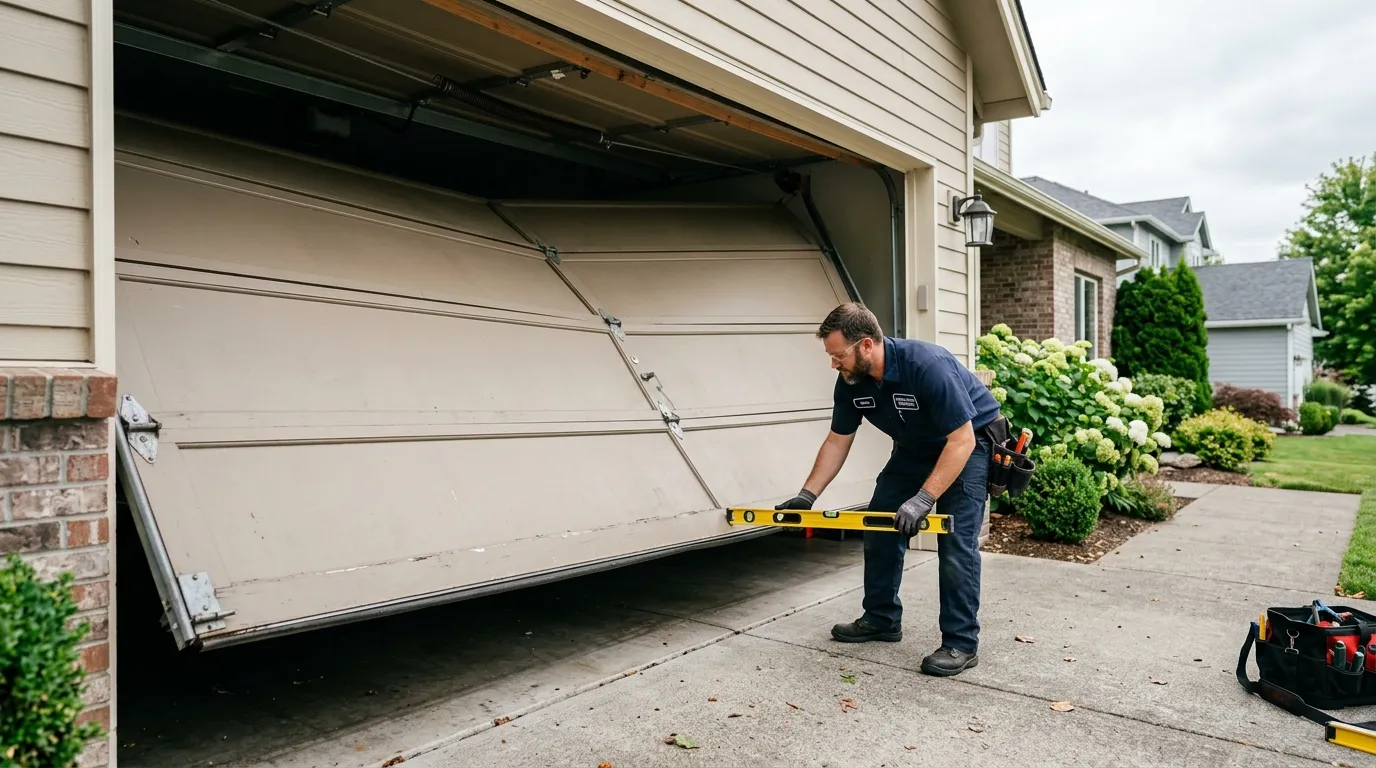
Springs, cables, tracks, rollers, and openers fixed by a tech who explains the problem before touching anything.
Learn more →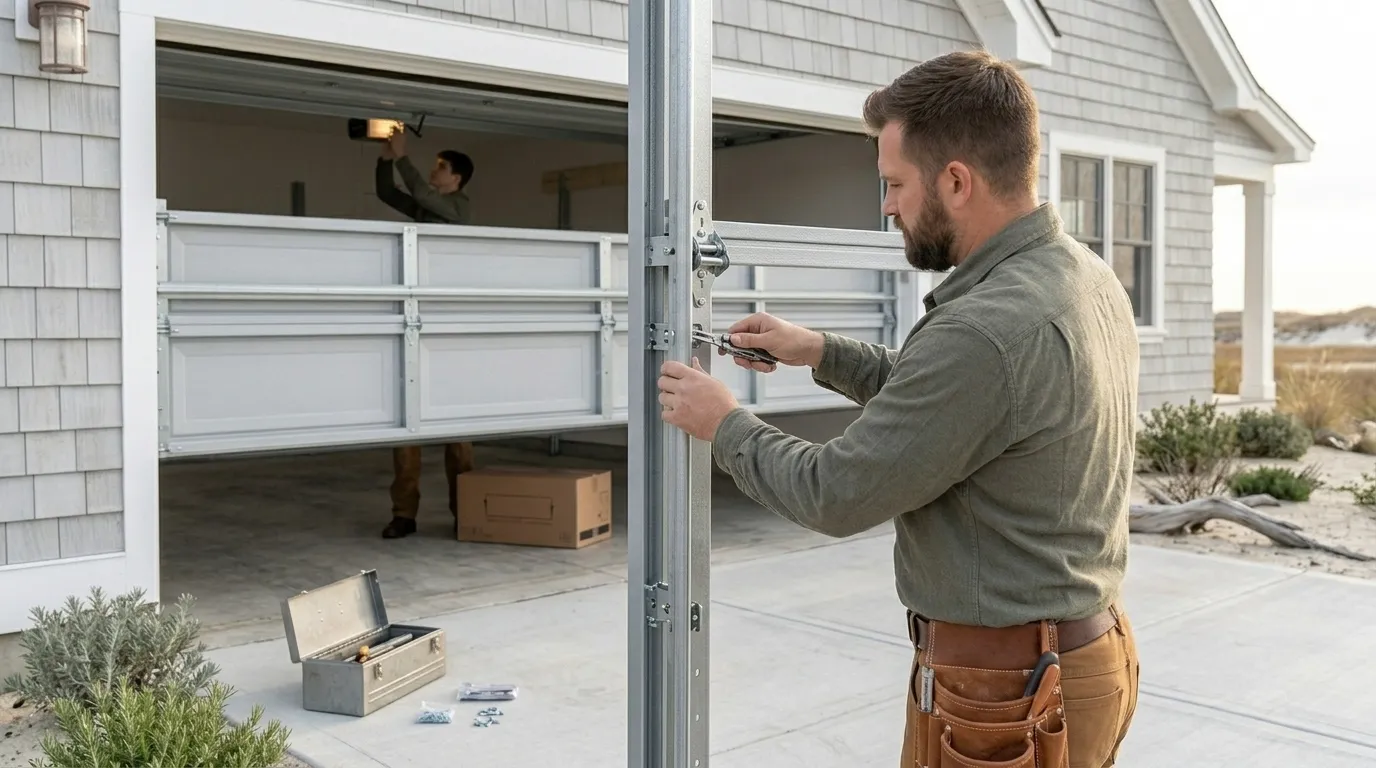
Garage Door Installation
New sectional doors sized and installed for the housing stock actually built in this area.
Learn more →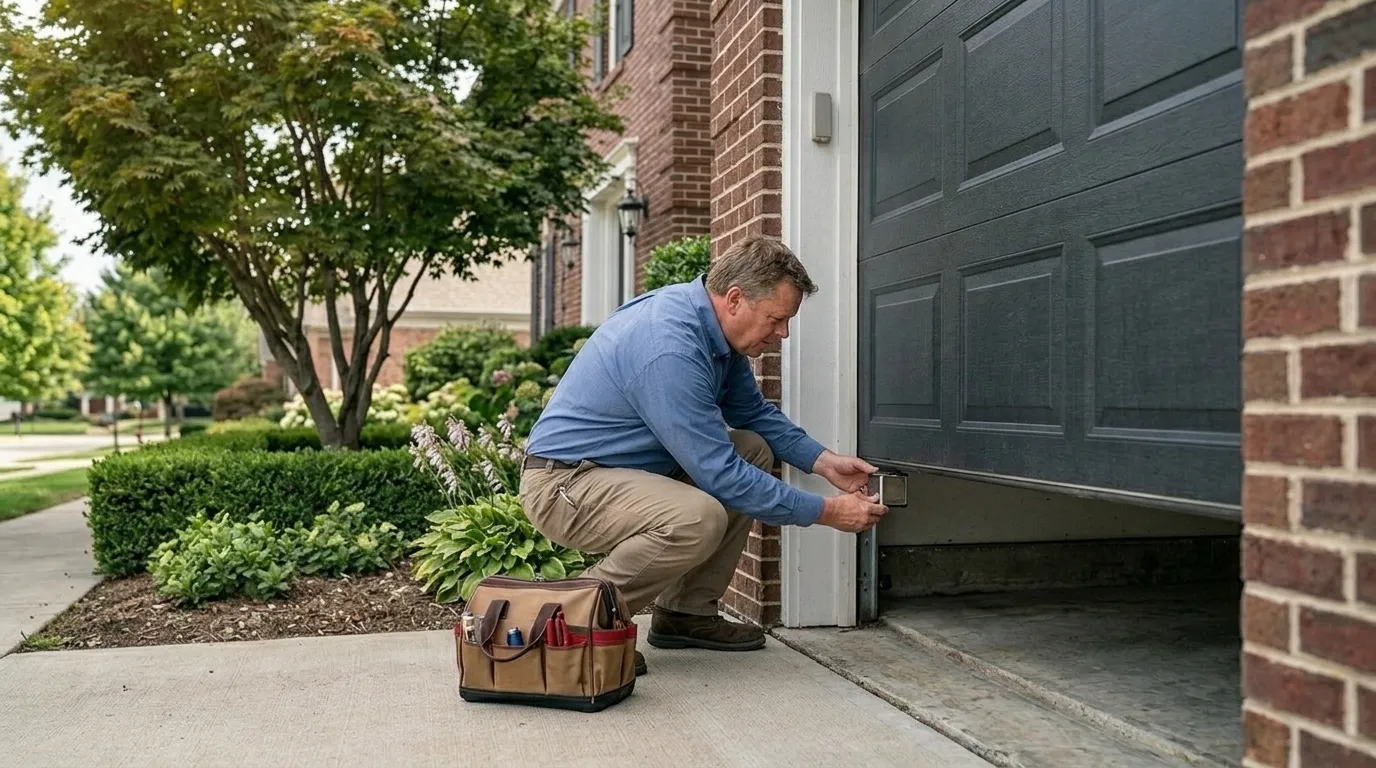
Garage Door Service
Tune-ups, lubrication, and safety checks that catch a small problem before it becomes a service call.
Learn more →Frequently Asked Questions
Does my house being built in the 2000s mean my garage door is insulated?
Not necessarily. A lot of Richardson's 2000s-era housing stock came with a standard non-insulated steel door as base builder spec - insulation was often an upgrade, not the default. The build year tells you the door's likely age, not what's inside the panel. Check the edge for a foam core to know for sure.
Why does my garage run so hot in summer even though the house is newer?
Richardson's moderate-heat climate band puts steady summer heat on the door for months, and a non-insulated panel does little to block it. If your house dates from the 1970s or early 80s specifically, before insulated doors were standard, that's the most likely reason the garage runs hotter than the rest of the house.
Is it worth repairing an original door from a 1970s Richardson house?
Often not. If the track, hinges, and springs are all original to a house from that era, parts are getting harder to source and a repair tends to be short-lived. We'll say so directly rather than patch something that'll need redoing within a year or two.
Have a Door That Needs a Second Opinion?
Call and describe what it is doing - we will tell you what it likely is.